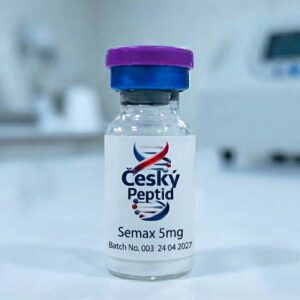
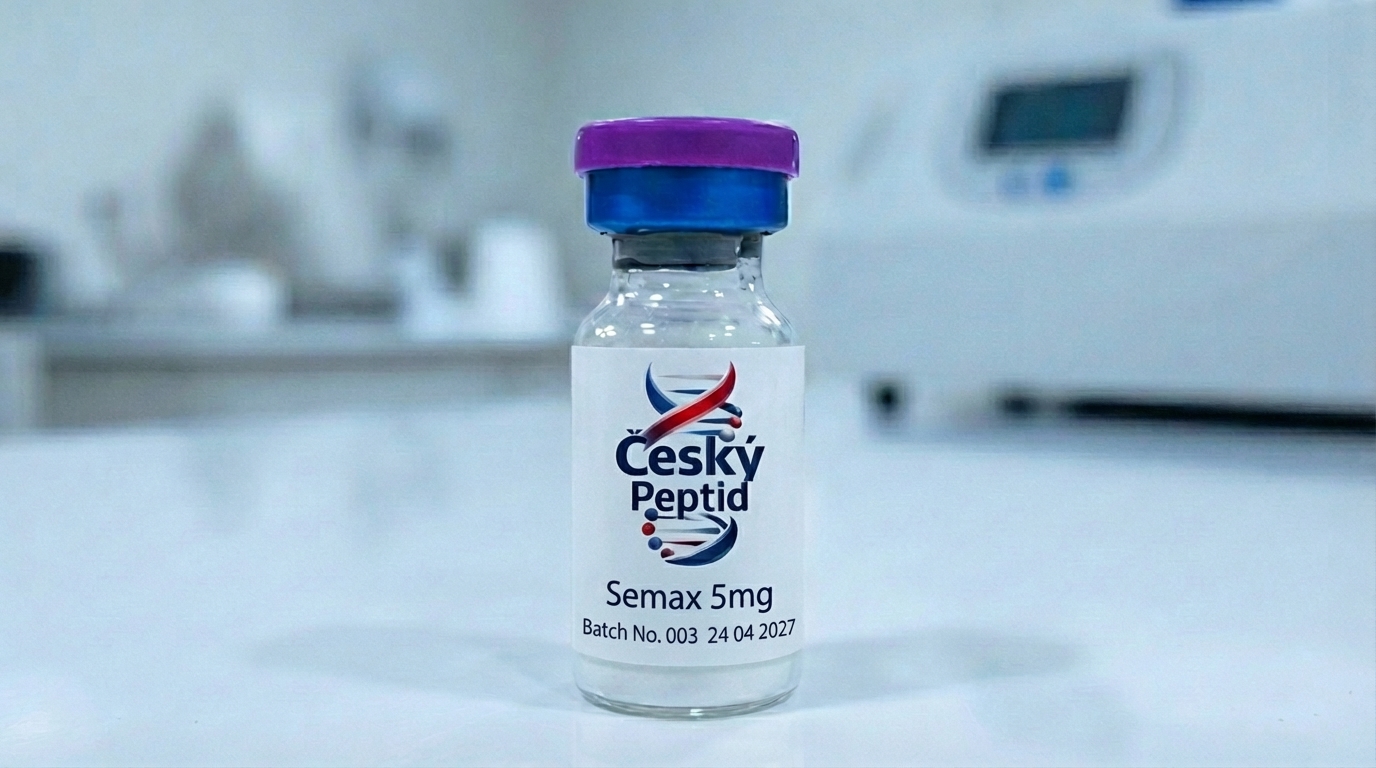
Semax is a synthetic neuropeptide investigated in the fields of neuroscience, neuropharmacology, cognitive processes, and nervous-system adaptation. In preclinical and experimental models, Semax has been studied in relation to learning and memory mechanisms, neuroprotection, neuroplasticity, stress responses, and the regulation of neurotrophic and neurotransmitter systems.
Semax serves as an experimental research model for investigating the complex interactions between neurochemical signaling, neuronal plasticity, and functional adaptation of the nervous system.
This product is intended exclusively for laboratory, scientific, and preclinical research. It is not approved as a drug or diagnostic product and is not intended for use in humans or animals.
Mechanistic Profile
• Investigated for its interaction with neurotransmitter and neuromodulatory systems associated with cognitive processes
• Supports research into mechanisms involving neurotrophic factors and neuronal plasticity
• Serves as an experimental model for investigating neuroprotective mechanisms
• Enables the study of signaling pathways associated with learning and memory
• Supports investigation of nervous-system adaptation under stress-related and metabolic conditions
• Enables analysis of interactions between neurochemical signaling and nervous-system function
Significance for Research
In experimental settings, Semax is primarily investigated for:
✅ studying mechanisms involved in learning, memory, and cognitive processes
✅ analyzing neuroprotective mechanisms in preclinical models
✅ investigating neuronal plasticity and nervous-system adaptation
✅ studying stress responses and associated neurochemical mechanisms
✅ examining the role of neurotrophic factors in nervous-system function
✅ investigating molecular mechanisms associated with neuronal activity and signaling
These applications are intended exclusively for basic and preclinical scientific research.
⚙️ Mechanism of Action Under Experimental Conditions
In preclinical models, Semax is investigated for its potential influence on signaling mechanisms associated with neurotrophic regulation, neurotransmitter activity, and neuronal plasticity. Experimental research has examined how these mechanisms may relate to neuronal function, stress adaptation, learning, and memory.
Semax therefore serves as an experimental tool for studying relationships between neurochemical signaling, cellular responses, and functional adaptation of the nervous system.
Research Applications
In a laboratory environment, Semax may be used as a model molecule for investigating neurochemical and neurobiological processes. Experimental designs may include analysis of behavioral, cellular, molecular, or biochemical markers in controlled preclinical models.
Research Background
• Ashmarin I.P. et al. — Bulletin of Experimental Biology and Medicine — preclinical research investigating Semax in relation to cognitive processes and nervous-system function
• Preclinical experimental models — investigation of neuroprotection, neuroplasticity, stress responses, and cognitive processes
• Experimental studies — investigation of neurotrophic and neurotransmitter-related mechanisms associated with Semax
Research Status & Regulatory Notice
• Research Use Only (RUO)
• Not approved as a pharmaceutical drug or diagnostic product
• Not intended for human or veterinary use
• Not intended for self-administration, diagnosis, treatment, or prevention of disease
• Intended exclusively for laboratory, analytical, and experimental research
• Findings from preclinical models should not automatically be interpreted as evidence of established efficacy in humans
⚠️ FOR RESEARCH USE ONLY — NOT FOR HUMAN OR VETERINARY USE.